
The Glass Bead Game’s Historical Rise
The Glass Bead GameThis flow follows the Glass Bead Game from an educational exercise to Castalia’s elaborate public ceremony and revered cultural institution.
increasing Bearing strength in each event
 decreasing
Bearing strength in each eventdecreasingFeuilleton Exhaustion
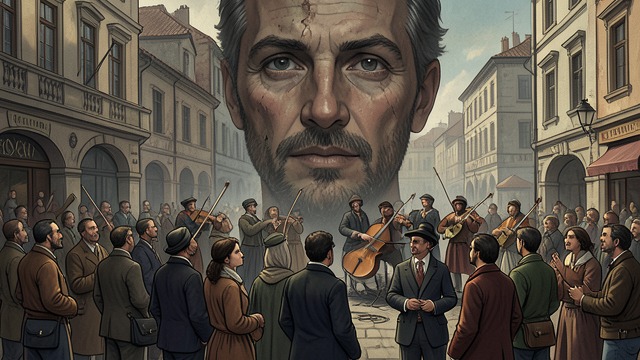
Cultural Exhaustion
A Crisis of Meaning
The Age of the Feuilleton turns knowledge into mass entertainment and disconnected information. Public intellectual life becomes busy yet unable to give culture a sustaining purpose.
Resistance
Music scholars and the League of Journeyers to the East preserve stricter practices. Their efforts prepare a disciplined cultural renewal.
Perrot’s Bead Exercise

A Modest Beginning
Musical Practice
Bastian Perrot of Calw adapts students’ musical call-and-response exercises with glass beads on wires. The apparatus gives the activity its memorable name.
Later Significance
The first version is only a plaything, but it establishes a method for representing and transforming relationships. Later generations enlarge the method beyond music.
A Universal Language
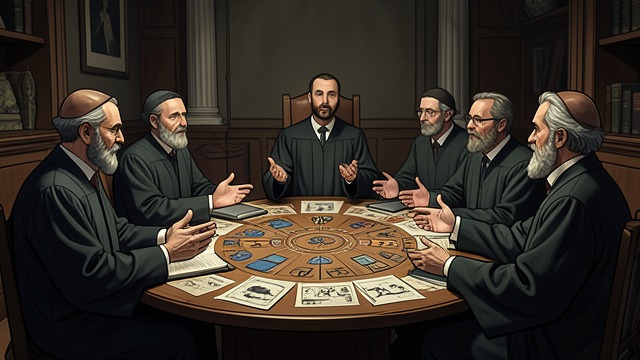
Synthesis Across Disciplines
Mathematical Expansion
Mathematicians and scholars adapt the Game into specialized symbolic systems. Each field contributes patterns that can be compared with patterns from elsewhere.
A Common Grammar
Lusor Basiliensis joins mathematics and music in a shared language. The Game approaches its ambition of bringing distinct disciplines into relation.
Contemplation and Ceremony
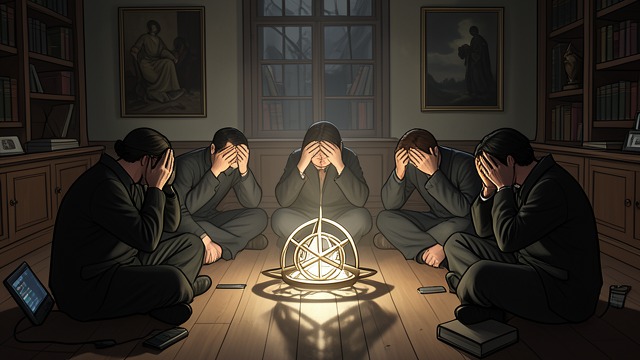
From Exercise to Ritual
Meditative Practice
Players add silent contemplation to the Game, requiring attention to a symbol’s origins and meanings. Technique alone no longer counts as sufficient participation.
Public Form
Ceremonial performances gather players and listeners into shared meditation. The Game becomes both an art and a near-religious practice without formal theology.
The Game’s Fragility
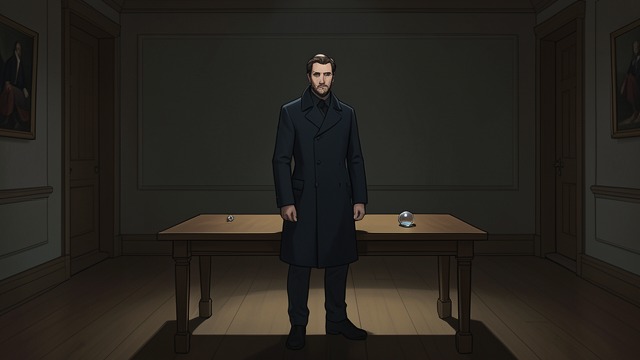
A Jewel at Risk
Peak and Decline
The Game remains beautiful, but its public influence is weakening. Knecht fears that Castalian refinement has become detached from society and history.
A Vulnerable Institution
In his circular letter, he warns that political crisis could make the Game seem dispensable. Its preservation depends on the very outside world Castalia neglects.
Before the founding of Castalia, after the Age of Wars
In the early history of the Game
Several generations after Perrot’s experiment
After the Game’s symbolic system has matured
During Knecht’s final years as Magister
